
Central, a ferry crossing and a walk on the Tsim Sha Tsui waterfront make a sensible first Hong Kong day. They also leave room to have lunch without treating the meal as a delay.
Use the harbour to connect the two neighbourhoods. If an outlying island or the Peak is the main reason you came, choose that instead; it does not have to be added to the end of this route.
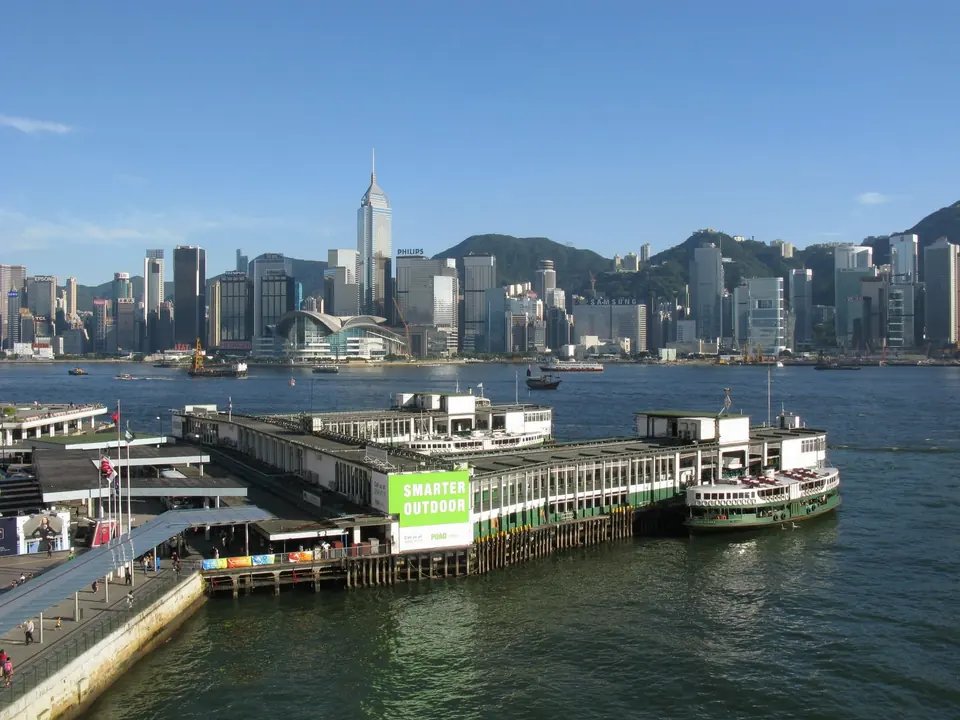
Start on the side that suits your arrival
If your hotel is in Kowloon, you can reverse this plan. There is no reason to cross the harbour simply to stand at an itinerary's official starting point.
If you are coming from an airport, cruise terminal or a cross-boundary journey, calculate usable time after arrival formalities, luggage storage and the trip into town. This is a city-day outline, not a promise that it fits every layover. Keep a firm departure buffer rather than relying on the last possible connection.
Hong Kong has separate entry and transport arrangements from mainland China. Check the rules that apply to your own journey, and verify your phone, payment and booking setup instead of assuming a mainland travel arrangement carries over unchanged.
Keep Central small enough to walk comfortably
Choose a short walk around the part of Central you want to see, with a meal or an indoor stop. Start with the route to the waterfront so you know how you will reach the pier afterwards. Do not turn every escalator, shopping street and uphill lane into an additional obligation.
If the weather is hot, wet or uncomfortable, shorten the walk. The route still works when lunch lasts longer and you spend less time outdoors. A planned day needs permission to change once you are actually in it.
Take the right ferry, not just a ferry
For the Central–Tsim Sha Tsui crossing, confirm the destination on the boarding signs. The Hong Kong Transport Department's route information lists the service separately from other ferry routes and harbour tours.
Check the current service before going to the pier. A scheduled crossing and a sightseeing cruise are different products. If weather or operations disrupt the ferry, use an available alternative; taking that particular boat is not worth risking an onward departure.
Leave time to queue and board. Spend the crossing looking at the harbour rather than trying to organise the next six attractions on your phone.
Walk from the Clock Tower along the Tsim Sha Tsui waterfront
The Hong Kong Tourism Board's promenade guide connects the pier area, Clock Tower and waterfront attractions. Choose how far you want to continue after you see the conditions.
The museums beside the promenade are possible indoor stops, not automatic additions. Each has its own visiting information, exhibitions and opening arrangements. Check those before counting on one as a wet-weather replacement.
If you want a skyline photograph after dark, stay for it only if the rest of your schedule allows. There is no need to wait outside for hours merely because someone else's itinerary ends with night lights.
What to leave for another day
The Peak, a lengthy shopping list and an outlying island can each take a large share of your time. Choose one of them instead of this route if it is your real priority, rather than adding it at the end.
For help with a particular meeting point or conversation, use the Hong Kong city page. Tell the person where you start and when you must leave. A short request about reaching the right pier can be enough; it need not become a full-day booking.
Official and destination references
- Hong Kong Tourism Board: Tsim Sha Tsui promenade (discoverhongkong.com)
- Hong Kong Transport Department: ferry routes (td.gov.hk)
References checked October 17, 2026. For tickets, opening arrangements, routes and closures, consult the current operator instructions before travel. The route suggestions above are editorial planning advice, not an operator's timetable or an account of an accompanied visit.
GotripCN is an information directory, not a travel agency. Any local assistance, transport, professional guiding and attraction admission need their own clear arrangements. Photos show the places described; conditions on the day may differ.